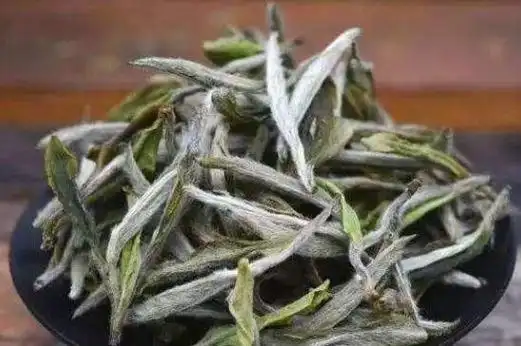
White Peony (white tea)
Introduction
White Peony, known as Baimudan in Chinese, is a renowned type of white tea originating from Fujian province, China. It is one of the most celebrated varieties of white tea, noted for its delicate flavors and health benefits. White Peony is primarily produced using the young leaves and unopened buds of the tea plant, which are minimally processed to preserve their natural flavors and nutrients. The tea is acclaimed for its rich antioxidant properties and is appreciated by tea connoisseurs worldwide for its subtle sweetness and floral aroma.
History
The history of White Peony tea is deeply intertwined with the tea culture of Fujian province, a region famed for its diverse tea production. White tea, including White Peony, has a long tradition in Fujian, with its origins tracing back to early Chinese tea history. The evolution of tea culture in China, particularly in Fujian, has been marked by the development of distinctive tea varieties like White Peony. The tea is crafted using specific cultivars such as Fuding Big White Tea and Zhenghe Big White Tea, which have been cultivated in the region for generations, showcasing the region's expertise in tea production.
Production
Harvesting
The production of White Peony tea begins with the careful harvesting of tea leaves. The picking of leaves is a crucial step that directly influences the quality of the tea. Only the young leaves and unopened buds are selected for White Peony, which typically occurs during the early spring when the leaves are tender and brimming with flavor. The timing of the harvest is essential to ensure that the leaves maintain their delicate characteristics and essential oils, which contribute to the tea's unique flavor profile.
Processing
Once harvested, the leaves undergo minimal processing to create White Peony tea. This gentle processing is crucial in preserving the natural compounds and flavors inherent in the leaves. The leaves are first withered under controlled conditions to reduce moisture content, allowing the natural enzymes to develop subtle flavors. After withering, the leaves are carefully dried to prevent oxidation, which is a defining feature of white tea. This minimal oxidation process helps retain the tea's freshness and delicate aroma.
Characteristics
Appearance
White Peony tea is visually distinctive, characterized by its mix of young leaves and buds. The leaves typically display a silvery-white appearance due to the fine hairs covering the buds, which is a hallmark of quality white tea. This combination of leaves and buds gives White Peony a unique appearance that is both elegant and appealing to tea enthusiasts.
Flavor Profile
The flavor profile of White Peony is gentle and nuanced, offering a harmonious balance of sweetness and floral notes. It is known for its smooth, mellow taste with hints of honey and a light floral fragrance reminiscent of peonies. The subtlety and complexity of White Peony's flavor make it a favorite among those who appreciate delicate teas with refined characteristics.
Health Benefits
White Peony tea is renowned for its health benefits, which are largely attributed to its high antioxidant content. These antioxidants play a crucial role in combating free radicals in the body, helping to protect against various diseases and promote overall health. Additionally, White Peony is believed to boost the immune system, aid digestion, and support weight loss efforts. Its potential for enhancing beauty and skin health further adds to its appeal as a wellness beverage.
Brewing Methods
Brewing White Peony tea requires attention to detail to fully appreciate its delicate flavors. It is typically brewed using water that is slightly cooler than boiling, around 75-85°C (167-185°F), to preserve the subtle notes of the tea. A short steeping time of 2-3 minutes is recommended, with the option for multiple infusions to enjoy the evolving flavors of the tea. The use of glass or porcelain teaware is preferred to showcase the beautiful appearance of the leaves and enhance the overall tea-drinking experience.








